How does untreated mold impact your home?
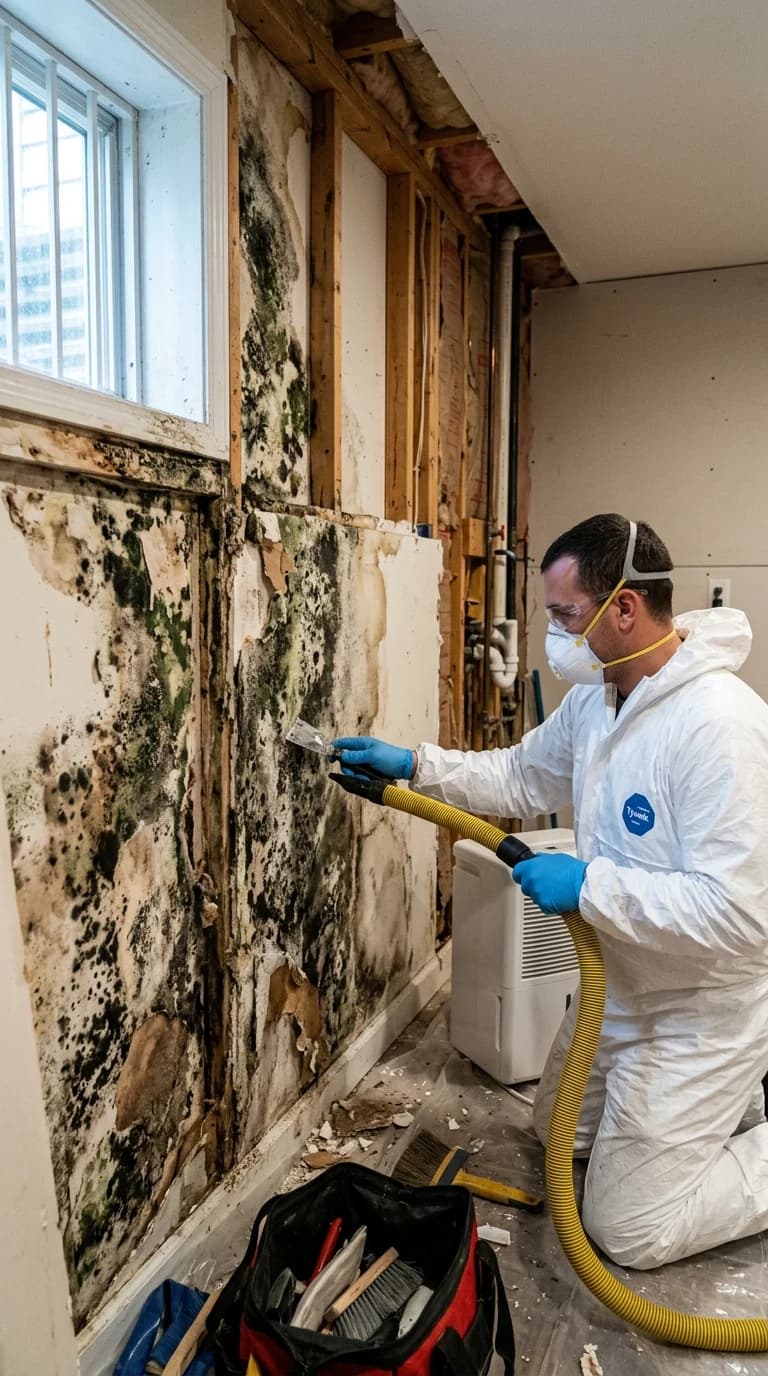
Untreated mold can lead to significant structural damage in your home, as it can compromise the integrity of walls, ceilings, and foundations. Mold thrives in damp environments, feeding on organic materials like wood and drywall. Over time, this can result in rot and decay, weakening the structural components of your home. In areas like Ridgewood, where humidity levels can fluctuate, maintaining a consistent indoor climate is vital. High humidity can accelerate mold growth, so consider using dehumidifiers and ensuring proper ventilation in moisture-prone areas such as basements and bathrooms. Regularly inspect your home for signs of water intrusion, such as discoloration or musty odors, and address any leaks promptly. Ignoring these issues can lead to costly repairs, as mold can spread quickly, affecting not only the structure but also the aesthetic appeal of your home by causing unsightly stains and damage.
What are the health risks associated with mold?
Mold exposure can cause a range of health issues, particularly for children, the elderly, and those with respiratory conditions. Common symptoms of mold exposure include coughing, wheezing, nasal congestion, and skin irritation. For individuals with asthma or allergies, mold can exacerbate symptoms, leading to more frequent asthma attacks or allergic reactions. In severe cases, prolonged exposure to mold can contribute to long-term respiratory problems like chronic sinusitis or bronchitis. Additionally, some molds produce mycotoxins, which can pose serious health risks if inhaled or ingested over time. To protect your family's health, it's crucial to address mold issues promptly. If you notice a persistent musty odor or visible mold growth, it's important to act quickly. Contacting a professional service, such as Ridgewood Mold Removal, can ensure a safe and thorough remediation process. Professionals have the expertise to assess the extent of mold contamination and implement effective removal strategies, minimizing the risk to your family's health.
Why is professional intervention important?
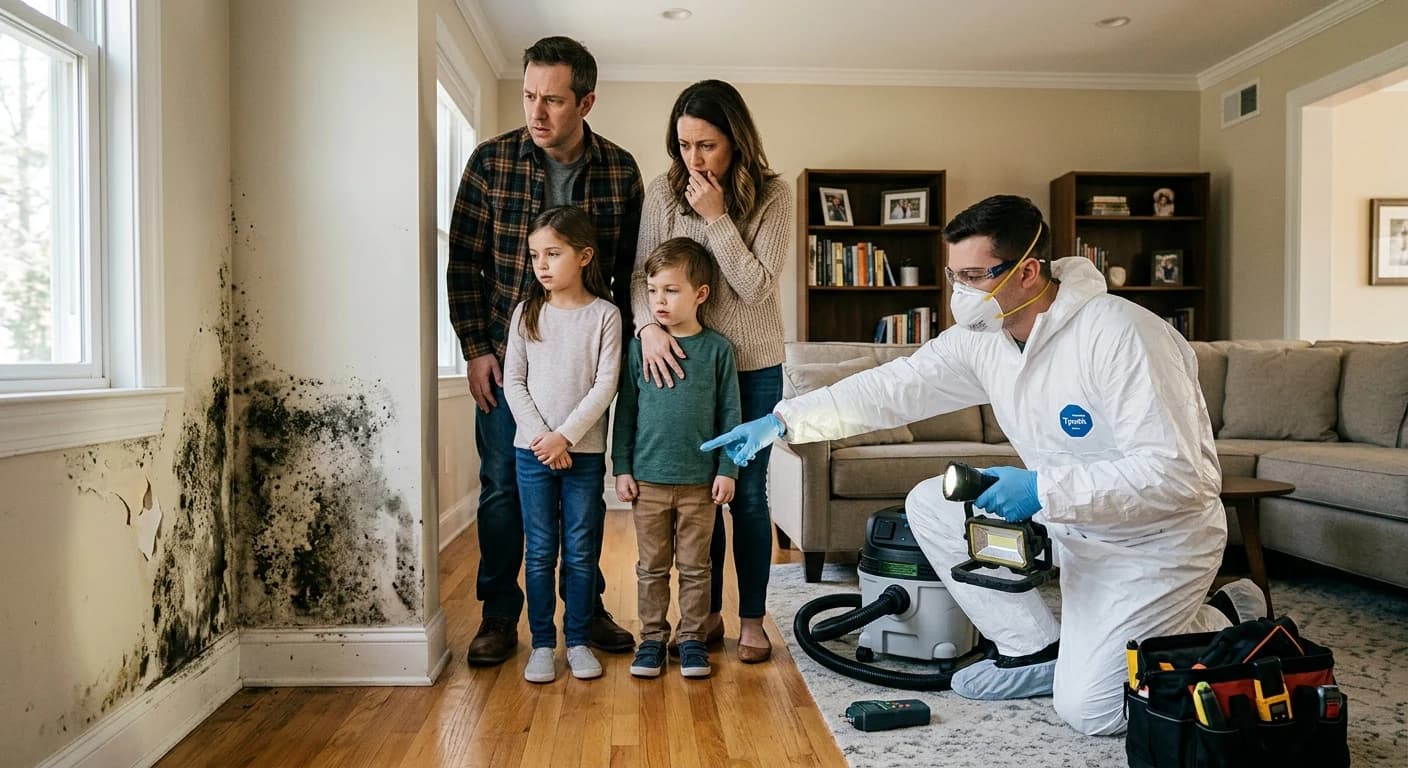
Professional intervention is crucial because experts have the tools and knowledge to handle mold safely and effectively. While some homeowners may attempt DIY mold removal, these methods often fail to address the root causes of mold growth. Incomplete removal can lead to mold recurrence, which poses ongoing health risks and further damage to your home. Professionals use specialized equipment and techniques to thoroughly remove mold and prevent future outbreaks. They can also identify hidden mold in places that are not easily accessible, such as within walls or under flooring. Moreover, professionals can provide guidance on moisture control and prevention strategies, reducing the likelihood of mold returning. Investing in a professional mold removal service is an investment in your home’s safety and value. By ensuring a comprehensive remediation process, you not only protect your property but also safeguard your family's well-being. Professional services can also provide documentation of the remediation process, which can be beneficial for future home sales or insurance claims.
How to prevent mold growth effectively
Preventing mold growth involves a combination of moisture control, regular maintenance, and vigilant monitoring. Start by addressing any sources of water intrusion, such as leaks in roofs, windows, or plumbing. Ensure that your home is well-ventilated, especially in areas prone to moisture, like bathrooms, kitchens, and basements. Exhaust fans can help reduce humidity levels, while dehumidifiers are useful in maintaining a dry environment. Regularly clean and maintain your HVAC system, as mold can develop in ducts and spread throughout your home. Use mold-resistant products when renovating or building, such as mold-inhibiting paints and drywall, to provide an extra layer of protection. Keep an eye on indoor humidity levels, aiming to keep them below 60%. Utilize a hygrometer to monitor these levels and adjust your home environment accordingly. Additionally, consider landscaping adjustments to ensure water drains away from your home's foundation, reducing the risk of water seepage. By implementing these strategies, you can significantly reduce the likelihood of mold growth and maintain a healthier living environment.
Steps to take if you discover mold
Discovering mold in your home can be alarming, but taking prompt action is essential to mitigate its impact. Begin by assessing the extent of the mold growth. Small areas of mold on non-porous surfaces can often be cleaned with soap and water or a mixture of vinegar and baking soda. However, if the affected area is larger than 10 square feet, or if mold is found on porous materials, it's advisable to contact a professional mold remediation service. While waiting for professional help, limit exposure to the affected area by sealing it off with plastic sheeting and using an air purifier to reduce airborne spores. Avoid disturbing the mold, as this can release spores into the air and spread contamination. Document the mold growth with photographs, as this can be useful for insurance claims or future reference. If you live in an area like NJ, where humidity can be a concern, consider implementing long-term moisture control solutions to prevent future outbreaks. Taking these steps can help you manage the situation effectively and protect your home and health.
The Economic Impact of Untreated Mold
Leaving mold untreated in your home can have significant economic consequences. Initially, you might notice a decrease in your property's value, as potential buyers are often wary of homes with mold issues. This can make selling your home more challenging and may require you to lower your asking price. Additionally, untreated mold can lead to increased energy costs. Mold growth often indicates a moisture problem, which can affect your home's insulation and HVAC efficiency, leading to higher utility bills. If mold spreads to structural components, the cost of repairs can escalate quickly. Replacing damaged drywall, flooring, or even structural beams can be expensive, and these costs are often not covered by standard homeowners insurance policies if the mold is deemed preventable through regular maintenance. Moreover, if mold affects your belongings, such as furniture or clothing, you may face additional costs for cleaning or replacement. To mitigate these financial risks, it's essential to address mold issues promptly and invest in preventive measures, such as regular home inspections and moisture control systems.
Legal and Insurance Considerations
When dealing with mold in your home, understanding the legal and insurance implications is crucial. Homeowners may face liability issues if mold affects tenants or guests, potentially resulting in legal action. Therefore, it's important to address mold problems swiftly to avoid potential lawsuits. From an insurance perspective, coverage for mold-related damage can be complex. Many standard homeowners insurance policies have limited or no coverage for mold damage, especially if it results from ongoing maintenance issues. It's advisable to review your policy and consider additional coverage if necessary. Documenting any mold damage and remediation efforts is essential, as this information can be critical if you need to file a claim. Keep detailed records, including photographs and receipts for any professional services hired. In some cases, local regulations may require disclosure of mold issues when selling a property, which can affect the sale process. By understanding these legal and insurance considerations, you can better protect yourself and your investment, ensuring that you address mold issues responsibly and effectively.
The Role of Home Maintenance in Mold Prevention
Regular home maintenance plays a pivotal role in preventing mold growth. By conducting routine inspections, homeowners can identify potential problem areas before they become serious issues. Start by checking your roof and gutters for any signs of damage or blockages, as these can lead to water ingress and create ideal conditions for mold. Ensure that your plumbing system is free from leaks and that all seals around windows and doors are intact to prevent moisture from entering your home. Pay close attention to your home's exterior, ensuring that landscaping is designed to direct water away from the foundation. Inside, regularly inspect areas prone to moisture, such as under sinks, around bathtubs, and in basements. Implementing a regular cleaning schedule can also help, as dust and dirt can provide nutrients for mold spores. Use mold-resistant products, like sealants and paints, in areas susceptible to dampness. By staying vigilant and proactive with maintenance tasks, you can significantly reduce the risk of mold development, protecting both the structural integrity of your home and the health of its occupants.
Understanding the Different Types of Mold
Mold comes in various forms, each with its own characteristics and potential risks. Understanding the types of mold that can grow in your home is crucial for effective management and remediation. Common household molds include Cladosporium, Penicillium, and Aspergillus. Cladosporium is typically found in damp areas and can appear as black or green spots on walls and fabrics. It can cause respiratory issues and skin irritation. Penicillium is known for its blue or green appearance and is often found on water-damaged materials. It can spread quickly and has been linked to allergies and asthma. Aspergillus, which can appear in various colors, is often found in HVAC systems and can produce mycotoxins, posing serious health risks if inhaled over time. Stachybotrys, commonly known as black mold, is less common but can produce potent mycotoxins, leading to severe health problems. Identifying the type of mold in your home can help determine the appropriate remediation strategy. If you're unsure about the type of mold, consulting a professional can provide clarity and ensure a safe and effective removal process.