What are the first signs of mold growth?
The first signs of mold growth are often subtle and can include a musty odor, discoloration on walls or ceilings, and an increase in allergy symptoms among residents. It's crucial to pay attention to these early indicators to prevent larger issues. Mold can thrive in damp environments like basements, bathrooms, or areas with poor ventilation. Ridgewood homeowners should regularly inspect these areas and address moisture problems quickly. Musty odors are often the first noticeable sign of mold, particularly in enclosed spaces like attics or behind furniture. Discoloration might appear as small black spots or greenish patches, usually in corners or along grout lines. An increase in allergy symptoms such as sneezing, coughing, or a runny nose, especially when indoors, can also signal mold presence. For a thorough inspection, consider reaching out to experts like Ridgewood Mold Removal to ensure your home is safe and mold-free.
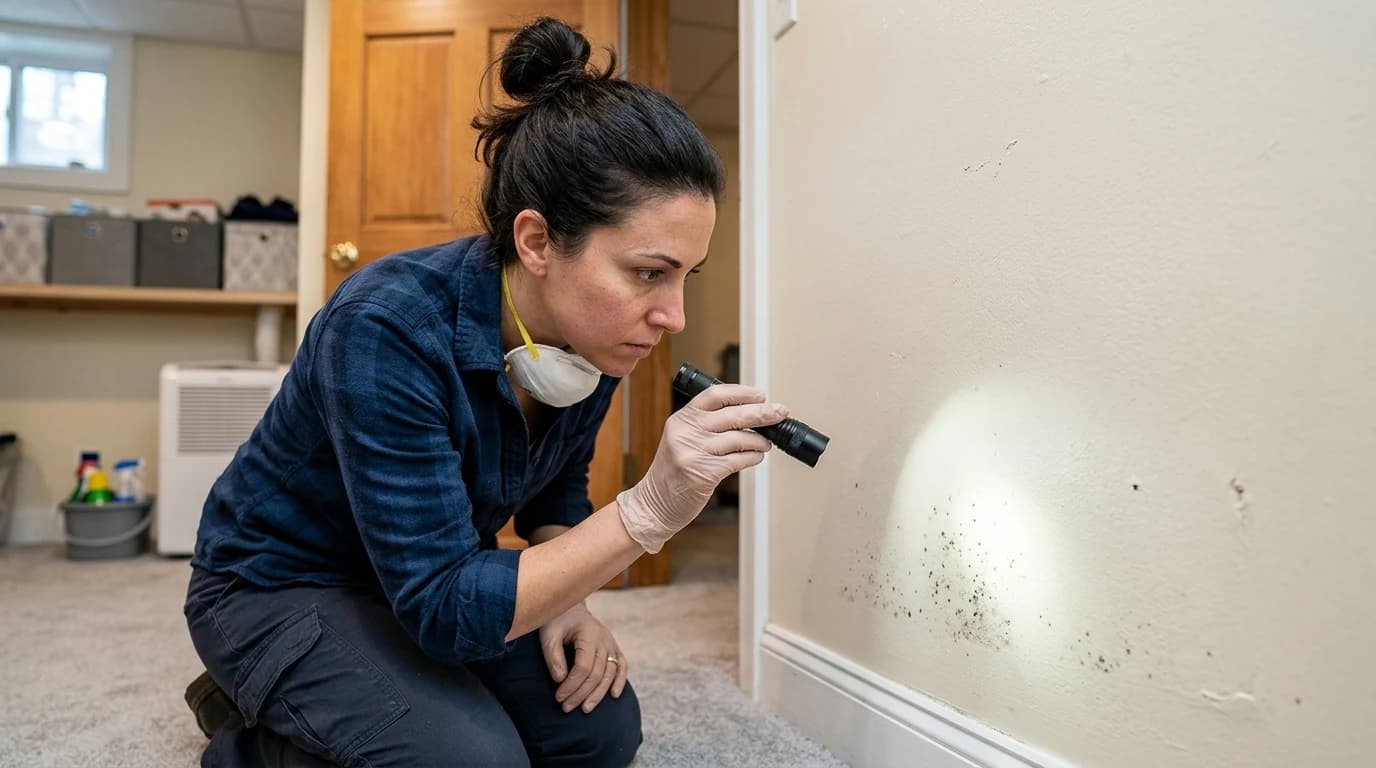
How can you confirm the presence of mold?
If you suspect mold, the next step is confirmation. This can be done through visual inspection and, if necessary, professional testing. Check for telltale signs such as black spots, fuzzy growths, or surfaces that feel damp or slimy. In areas like basements or under sinks, use a flashlight to inspect dark corners and crevices. In cases where the mold is not visible but suspected, professional testing might be required. This process involves air quality testing or surface sampling to accurately identify the presence and type of mold. Air quality tests can detect mold spores that are invisible to the naked eye, while surface sampling can determine the specific mold species present. Consider consulting with Ridgewood Mold Removal for a precise assessment. They can provide detailed insights into the extent of mold contamination and recommend the best course of action.
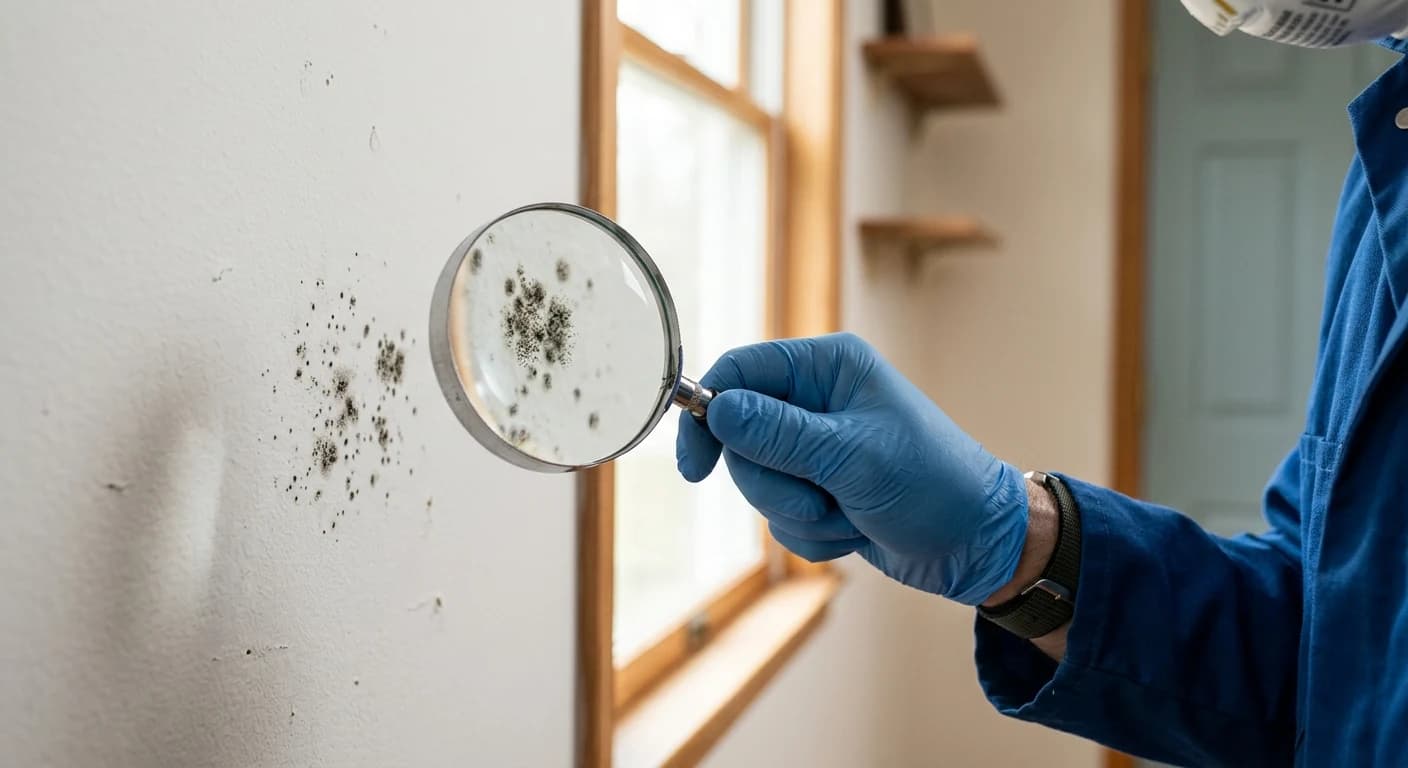
Why is early detection important?
Early detection is crucial because mold can cause significant damage to your home and health if left untreated. Addressing mold issues early can prevent structural damage to your home, such as wood rot or compromised drywall, and reduce health risks such as respiratory issues, skin irritation, or exacerbated asthma symptoms. Mold releases spores that can spread throughout your home, making it harder to contain and remove. It's more cost-effective to handle mold problems early rather than dealing with extensive damage later. Proactive measures like regular home inspections, maintaining optimal humidity levels (ideally between 30-50%), and ensuring proper ventilation can also prevent mold growth. Use dehumidifiers in damp areas and fix leaks promptly to minimize moisture. Educating household members about recognizing mold signs can also help in quick detection and response.
Steps to Prevent Mold Growth in Your Home
Preventing mold growth in your home requires a proactive approach to managing moisture and maintaining cleanliness. Start by controlling humidity levels, as mold thrives in damp environments. Invest in a hygrometer to monitor indoor humidity and keep it between 30-50%. Use dehumidifiers in areas prone to moisture, such as basements and bathrooms, to maintain dry conditions. Regularly clean and disinfect surfaces, especially in kitchens and bathrooms where moisture accumulates. Pay attention to areas like shower curtains, tiles, and grout lines, which are susceptible to mold. Ensure proper ventilation by using exhaust fans in bathrooms and kitchens, and open windows when possible to improve air circulation. Check for leaks in plumbing, roofs, and windows, and repair them promptly to prevent water accumulation. Additionally, consider mold-resistant products when renovating, such as mold-resistant drywall or paint, to provide an extra layer of protection. Regular inspections of your home, especially in hidden areas like behind appliances or under sinks, can help identify early signs of moisture issues. By taking these preventive measures, you can significantly reduce the risk of mold growth and maintain a healthy living environment.
When to Call a Professional for Mold Removal
Knowing when to call a professional for mold removal is crucial to effectively address the problem and ensure the safety of your home. While small areas of mold (less than 10 square feet) can often be managed with DIY solutions, larger infestations require expert intervention. If you notice persistent musty odors, extensive discoloration on walls or ceilings, or mold growth in hard-to-reach areas, it's time to seek professional help. Professionals have the tools and expertise to conduct thorough inspections and identify hidden mold that may not be visible. They can also perform detailed mold testing to determine the type and extent of contamination, which is essential for effective remediation. In cases where mold is affecting heating, ventilation, or air conditioning systems, professional intervention is necessary to prevent spores from spreading throughout your home. Additionally, if household members experience persistent health symptoms like respiratory issues or allergic reactions, it may indicate a significant mold problem that requires expert attention. In NJ, services like Ridgewood Mold Removal can provide comprehensive mold remediation, ensuring that your home is safe and mold-free. By calling in professionals, you can ensure a thorough cleanup and prevent future mold issues.
Common Misconceptions About Mold
Mold is often misunderstood, leading to misconceptions that can hinder proper detection and treatment. One common myth is that all mold is visible. In reality, mold can grow behind walls, under carpets, and in other hidden areas, making it essential to rely on more than just sight for detection. Another misconception is that mold only grows in dirty homes. Mold needs moisture to thrive, not dirt, so even the cleanest homes can experience mold if there's a moisture problem. It's also a myth that bleach can effectively remove mold. While bleach may kill surface mold, it doesn't penetrate porous materials like drywall or wood, allowing mold to regrow. Instead, specific mold removal products or professional services are recommended for thorough remediation. Some believe that mold is always harmful. While certain types of mold can cause health issues, not all mold is toxic. However, any mold growth should be addressed promptly to prevent potential health risks and property damage. Lastly, there's a belief that once mold is removed, it won't return. Without addressing the underlying moisture issue, mold can reappear. Understanding these misconceptions helps homeowners take informed steps to manage mold effectively.
DIY Mold Testing: What You Need to Know
For homeowners interested in DIY mold testing, it's important to understand the process and its limitations. DIY mold test kits are widely available and can be a cost-effective way to confirm mold presence. These kits typically include petri dishes for collecting samples and instructions for sending them to a lab for analysis. When using a DIY kit, choose areas where mold is suspected, such as damp corners or areas with musty odors. Follow the instructions carefully to ensure accurate sample collection. However, while DIY kits can confirm mold presence, they often don't provide detailed information about the mold type or the extent of the infestation. This is where professional testing can offer more comprehensive insights. Additionally, DIY kits may not detect hidden mold or airborne spores, which can be crucial for a complete assessment. If the test results indicate a significant mold issue, or if household members experience health symptoms, it's advisable to consult professionals for a thorough evaluation and remediation plan. In Ridgewood and other areas, expert services can offer detailed mold analysis and effective removal strategies, ensuring a safe and healthy home environment.