What are the best practices to prevent mold?
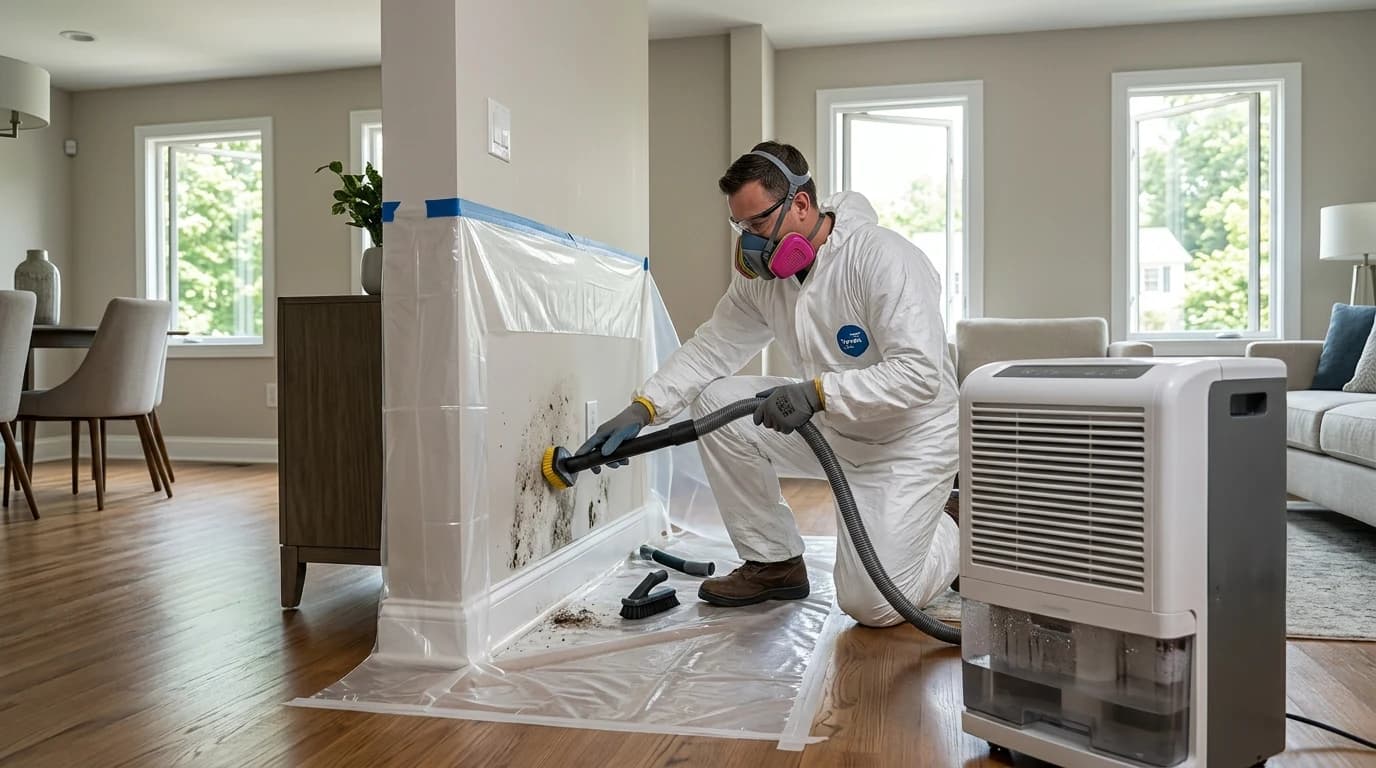
The best practices to prevent mold include controlling humidity levels, ensuring proper ventilation, and fixing leaks promptly. Maintaining a balanced humidity level, ideally between 30% and 50%, is crucial. Use dehumidifiers, particularly in damp-prone areas such as basements and bathrooms. Consider installing a hygrometer to monitor humidity levels. Ensure that your home is well-ventilated by opening windows and doors regularly to allow fresh air circulation. In bathrooms and kitchens, use exhaust fans to expel excess moisture. Repair any leaks in roofs, walls, or plumbing systems immediately to prevent water accumulation. Additionally, consider waterproofing your basement and insulating pipes to prevent condensation. In Ridgewood, where seasonal humidity can fluctuate, taking these proactive measures can significantly reduce the risk of mold. If your home is prone to dampness, consider consulting with a mold prevention specialist for tailored solutions.
How can regular maintenance help?
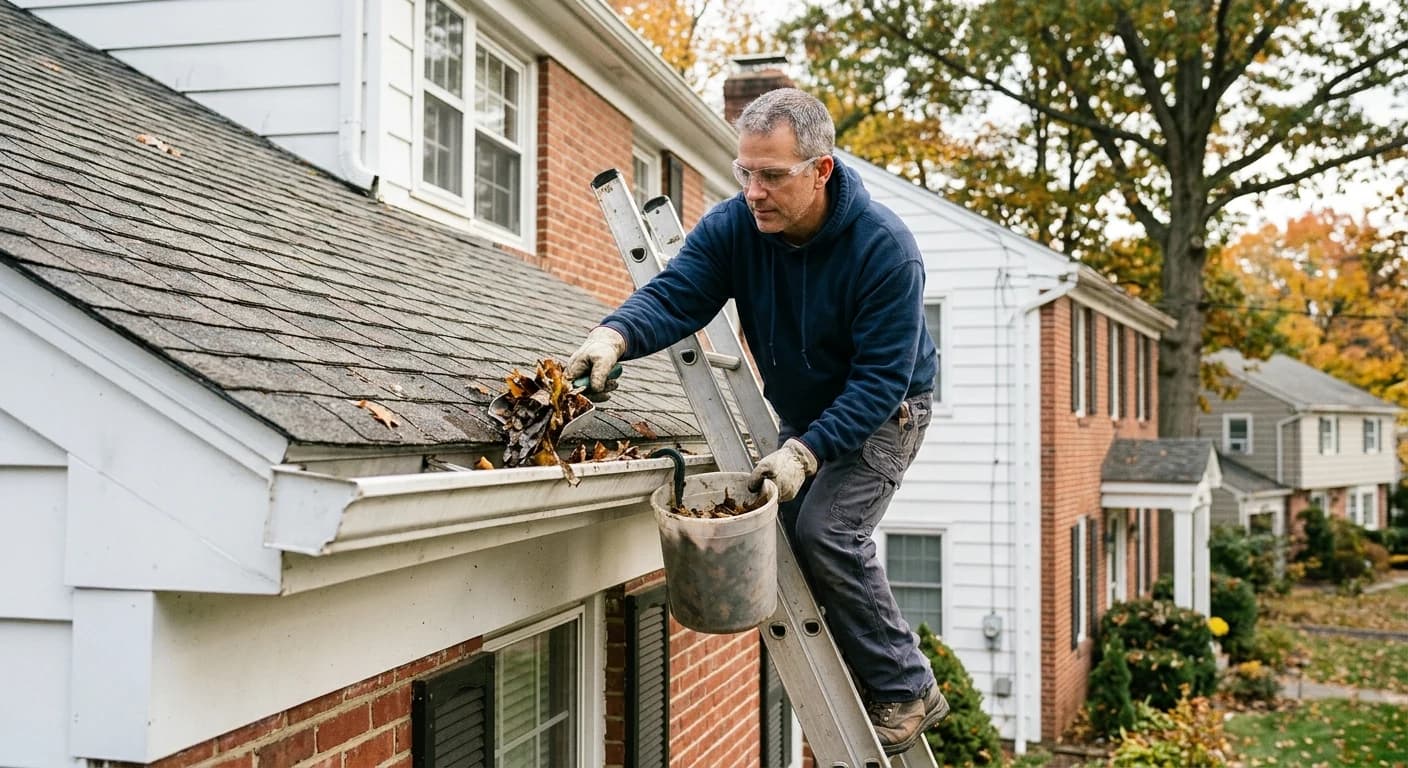
Regular maintenance is key to preventing mold and ensuring the longevity of your home. Begin with inspecting and cleaning gutters and downspouts to ensure rainwater is directed away from the foundation. Clogged gutters can cause water to overflow and seep into your home’s structure, leading to mold growth. Ensure proper drainage around the foundation by grading the soil away from the house. Check for signs of water pooling near the foundation after heavy rains. Seal windows and doors with weatherstripping to prevent water intrusion and drafts. Inspect your roof periodically for missing shingles or damaged flashing, which can allow water entry. Schedule regular inspections of your home’s plumbing system to catch leaks early. In areas like Ridgewood, where seasonal changes can impact your home’s exterior, these steps are vital. For comprehensive prevention strategies, consult professionals like Ridgewood Mold Removal who can offer tailored advice for your home. They can also conduct thorough inspections and implement advanced mold prevention measures that suit your specific needs.
Why is moisture control essential?
Moisture control is essential because mold cannot grow without moisture. Mold spores are ubiquitous in the environment, but they require moisture to thrive. Regularly check for leaks in plumbing and roofs, and address them immediately. Even small drips can lead to significant mold issues if left unattended. Use exhaust fans in kitchens and bathrooms to reduce humidity and improve air circulation. Consider installing a whole-house ventilation system if your current setup is inadequate. In areas prone to condensation, such as basements and crawl spaces, use vapor barriers to prevent moisture from seeping through walls and floors. It’s also beneficial to keep indoor plants to a minimum, as overwatering can increase humidity levels. By maintaining an environment that is inhospitable to mold, you can prevent its growth and protect your home and health. Regularly inspect hidden areas such as behind furniture and under sinks, as mold can thrive in unseen spots. For those living in Ridgewood, where seasonal weather can vary, staying vigilant with moisture control is particularly important to prevent mold-related issues.
How can proper landscaping help prevent mold?
Proper landscaping plays a crucial role in mold prevention by managing water flow and reducing moisture accumulation around your home. Start by ensuring that the ground around your home's foundation slopes away from the structure. This prevents water from pooling near the foundation, which can seep into basements or crawl spaces, creating an ideal environment for mold. Consider installing a French drain system to redirect water away from your home more efficiently. Plant trees and shrubs at a safe distance from the house to avoid roots interfering with drainage systems and to minimize shade that can increase dampness. Use mulch sparingly and keep it away from the foundation, as it can retain moisture and attract mold. Regularly trim back vegetation to improve air circulation around the house, which helps keep exterior walls dry. In regions like NJ, where heavy rains are common, these landscaping techniques are vital. By integrating effective landscaping strategies, you can significantly reduce the risk of mold and maintain a healthier home environment.
What role do materials and construction play in mold prevention?
Choosing the right materials and construction techniques is fundamental in preventing mold growth. When building or renovating, opt for mold-resistant materials such as treated wood, mold-resistant drywall, and paints that contain mold inhibitors. These materials are designed to withstand moisture and inhibit mold growth. Ensure that your home is constructed with proper insulation and vapor barriers to prevent moisture from penetrating walls and ceilings. Pay attention to details such as flashing around windows and doors to prevent water intrusion. In bathrooms and kitchens, use tiles and grout that are resistant to water and mold. During construction, ensure that the building site is dry and that materials are not exposed to rain or high humidity before installation. Ventilation systems should be designed to provide adequate airflow to all parts of the home, reducing moisture buildup. By incorporating these practices, you can create a resilient structure that is less susceptible to mold, thereby safeguarding your investment and health.
How can lifestyle habits contribute to mold prevention?
Adopting certain lifestyle habits can significantly aid in mold prevention within your home. Start by ensuring that wet clothes are not left to dry indoors, as this can increase humidity levels and create a breeding ground for mold. Instead, use a dryer or hang clothes outside when possible. Avoid overwatering houseplants, as excess water can raise humidity and contribute to mold growth. Regularly clean and dry areas that are prone to moisture, such as bathrooms and kitchens, using mold-inhibiting cleaning products. It's also important to declutter your home and ensure good airflow around furniture and belongings, as stagnant air can trap moisture. Consider using moisture-absorbing products like silica gel or activated charcoal in enclosed spaces such as closets and storage areas. Additionally, be mindful of cooking habits; always use lids on pots and pans to contain steam and use exhaust fans to vent moisture. By integrating these simple practices into your daily routine, you can effectively reduce the risk of mold and maintain a healthier living environment.
What role does regular inspection play in mold prevention?
Regular inspections are a proactive measure that can help catch mold issues before they become serious. Make it a habit to inspect areas of your home that are most susceptible to moisture buildup, such as basements, attics, and bathrooms. Look for signs of water damage, such as discoloration on walls or ceilings, which may indicate hidden leaks. Pay attention to unusual odors, as a musty smell can be an early indicator of mold. Inspect around windows and doors for any signs of water intrusion, and ensure that seals and weatherstripping are intact. In addition to visual checks, consider using moisture meters to detect hidden moisture levels in walls and floors. Schedule professional inspections annually, especially if you live in areas like Ridgewood, where weather conditions can exacerbate moisture issues. Professionals can provide a thorough assessment and identify potential problems that might not be visible to the untrained eye. By regularly inspecting your home, you can address minor issues before they escalate, thus preventing mold and protecting your property.
How can proper cleaning habits prevent mold?
Implementing effective cleaning habits is a crucial step in mold prevention. Regular cleaning helps eliminate mold spores before they have a chance to grow. Focus on areas prone to moisture, such as bathrooms, kitchens, and basements. Use mold-inhibiting cleaning products that are specifically designed to kill mold spores and prevent regrowth. Pay special attention to grout lines and shower curtains, as these are common areas for mold to develop. Ensure that surfaces are thoroughly dried after cleaning to prevent moisture accumulation. In the kitchen, regularly clean out the refrigerator drip tray and ensure that food storage areas are dry, as mold can grow on food as well. For carpets and upholstery, consider using a vacuum with a HEPA filter to capture mold spores and allergens. In addition, routinely check and clean air conditioning and heating vents to prevent mold buildup within your HVAC system. By integrating these cleaning practices into your routine, you can significantly reduce the presence of mold spores in your home, thereby minimizing the risk of mold growth.
What are the benefits of using mold-resistant products?
Using mold-resistant products in your home can provide a robust defense against mold growth. These products are designed to withstand moisture and inhibit mold development, making them an excellent choice for areas susceptible to dampness. Mold-resistant drywall, for example, is treated with special coatings that prevent mold spores from penetrating the surface. When renovating or building, consider using mold-resistant insulation and paints, which contain additives that deter mold growth. In bathrooms and kitchens, opt for tiles and grouts that are designed to resist water and mold. Additionally, mold-resistant caulking can be used around sinks, bathtubs, and showers to seal out moisture. For flooring, choose materials like vinyl or tile over carpet, as they are less likely to retain moisture. Incorporating these products into your home not only helps prevent mold but also enhances the durability and longevity of your property. While the initial cost may be higher, the long-term benefits of reduced mold risk and maintenance make it a worthwhile investment, especially in climates like those in NJ where humidity can be a concern.